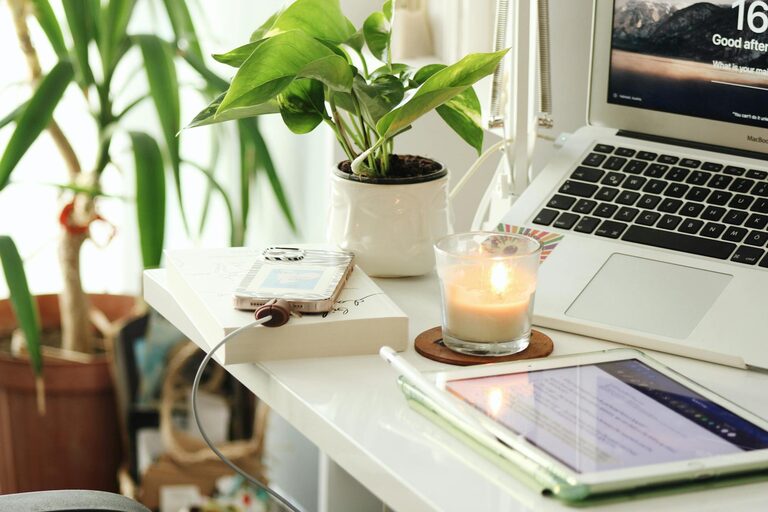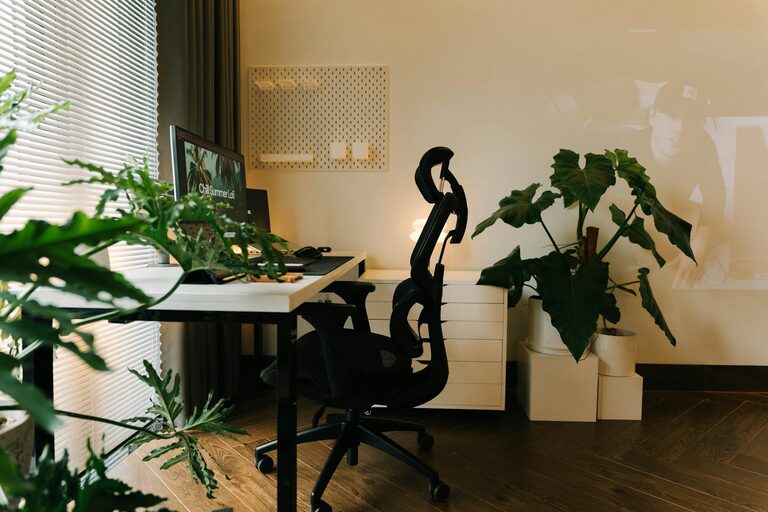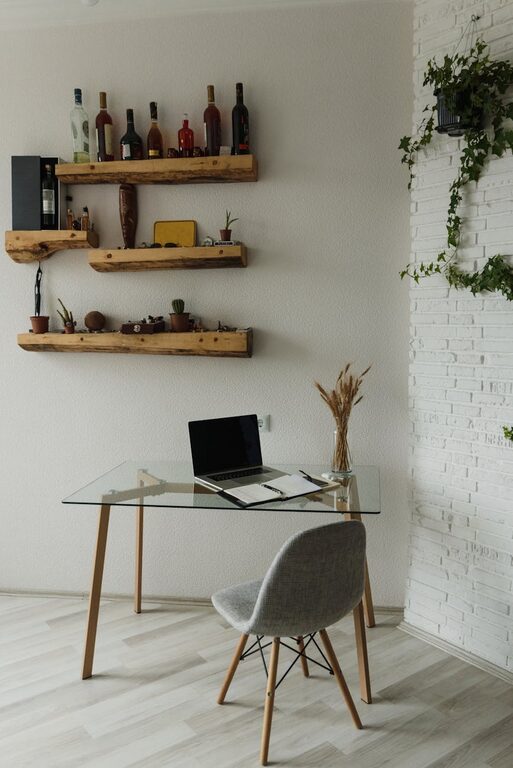
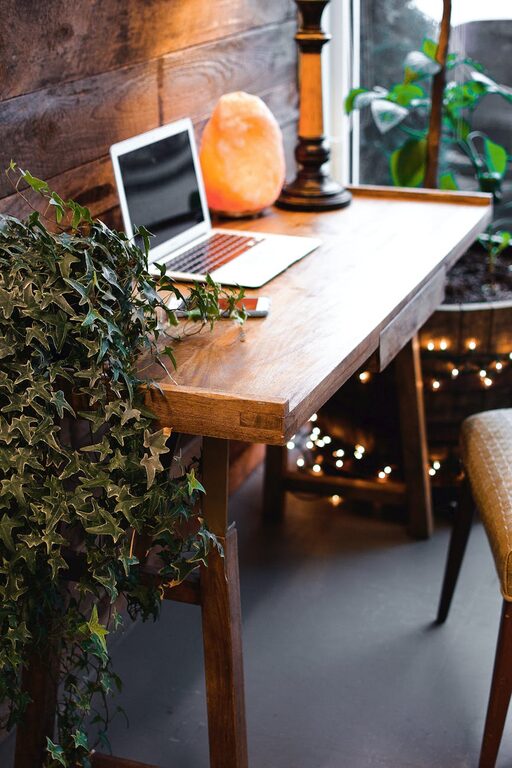
Creating a cozy and inviting home office space is essential for anyone working from home. A well-designed workspace can boost productivity, improve focus, and make your workdays more enjoyable. Whether you have a small corner or an entire room dedicated to work, thoughtful planning can transform the area into a place where you love to spend time.
In this blog post, we will explore practical tips to help you design a home office that combines comfort and functionality.
1. Choose the Right Location
Start by selecting a spot in your home that is quiet and gets good natural light. If possible, avoid areas with a lot of noise or distractions. A space near a window can lift your mood and reduce eye strain, but make sure the sunlight does not create glare on your screen.
2. Invest in Comfortable Furniture
Comfort is key in a home office. Invest in a high-quality chair with good lumbar support that suits your body shape. If you prefer standing at times, consider a height-adjustable desk or desk converter. A desk that fits your space and has enough surface area for your equipment encourages better organization.
Tips for furniture selection:
– Choose an ergonomic chair with adjustable features.
– Ensure your desk height allows your arms to rest comfortably.
– Add a footrest if your feet don’t touch the floor firmly.
3. Lighting Matters
Lighting affects your energy and focus. Alongside natural light, equip your office with layered lighting options:
– Task lighting such as a desk lamp helps reduce eye strain during focused work.
– Ambient lighting creates a warm and inviting atmosphere.
– Avoid harsh overhead lights and opt for bulbs with a soft glow to lessen fatigue.
4. Personalise Your Space
Add elements that make the workspace feel welcoming and uniquely yours. This might include:
– Photos, artwork, or inspirational quotes on the walls.
– A few plants to bring life and fresh air to your office.
– Decorative items or office supplies that match your style and colour preferences.
Personal touches can create a positive mood and encourage creativity.
5. Keep It Organised
A clutter-free environment supports clear thinking. Use smart storage solutions to keep your documents, stationery, and gadgets tidy.
– Use shelves, filing cabinets, or storage boxes to organise papers.
– Keep your desk surface clear except for essentials.
– Label storage containers to find things quickly.
Regularly declutter to maintain a neat and efficient space.
6. Add Comfort with Textiles
Soft textiles can make your office feel more comfortable and cosy:
– A plush rug adds warmth to the floor.
– Cushions on your chair can increase comfort.
– Curtains or blinds help control natural light and add texture.
These small touches make a big difference in creating a relaxing atmosphere.
7. Minimise Noise and Distractions
To maintain focus, consider ways to reduce background noise:
– Use noise-canceling headphones or earplugs.
– Add heavy curtains or rugs to absorb sound.
– If possible, position your office away from household traffic areas.
A calm environment helps you concentrate better.
8. Incorporate Technology Thoughtfully
Technology is essential, but can also create clutter and stress:
– Use cable organizers to keep wires tidy.
– Choose wireless devices when possible.
– Set up your equipment ergonomically to avoid strain.
A streamlined tech setup enhances efficiency and comfort.
9. Maintain Good Air Quality
Good ventilation is important for health and alertness. If your workspace lacks fresh air, try:
– Opening windows regularly.
– Adding air-purifying plants such as spider plants or peace lilies.
– Using a small air purifier if needed.
Fresh air keeps you feeling refreshed and focused.
10. Set Boundaries and Work Routines
Finally, a cozy home office is not only about physical space, but also about creating a work routine:
– Set specific working hours.
– Take regular breaks to stretch and relax.
– Keep work and leisure areas separate to maintain balance.
Clear boundaries help you stay productive and enjoy downtime.
—
Designing a cozy and inviting home office does not require a large budget or a lot of space. By focusing on comfort, organisation, and personal preferences, you can create an environment that supports your best work. Take time to adjust your workspace as needed, and enjoy the benefits of working in a place that feels just right for you.